


7 Best Driveway Surface Options
- nettiedrown
- Jun 5
- 6 min read
A driveway usually looks simple until it starts failing. Cracks widen, water sits in low spots, loose stone shifts under tires, and suddenly a basic entrance becomes a maintenance problem. If you are weighing the best driveway surface options for a home, rental property, or commercial site in Delmarva, the right choice comes down to more than appearance. You need a surface that fits your budget, handles local weather, and makes sense for how the property is used every day.
What matters when comparing the best driveway surface options
Not every driveway has the same job. A short residential driveway in Ocean Pines has different demands than a larger parking area serving a business near the coast. Before choosing a material, it helps to look at five practical factors: upfront cost, lifespan, maintenance needs, appearance, and drainage performance.
In coastal Maryland and Delaware, drainage deserves extra attention. Heavy rain, freeze-thaw cycles, salt exposure, and sandy soil conditions can all affect how well a surface holds up. A driveway that looks good on day one but traps water or breaks down under regular use can cost more over time than a better-matched option installed correctly from the start.
Best driveway surface options for homes and commercial properties
Asphalt
Asphalt remains one of the most practical driveway choices for both residential and commercial properties. It gives you a clean, finished look, installs efficiently, and generally costs less than concrete or pavers for comparable coverage. For many property owners, that balance of performance and value is hard to beat.
Another reason asphalt works well in this region is flexibility. It handles temperature swings better than rigid materials, which can help reduce the chance of major cracking as conditions change. It is also easier to repair and resurface than many other surfaces. If a driveway starts showing age after years of use, resurfacing may restore function and appearance without the cost of a full replacement.
That said, asphalt is not maintenance-free. Sealcoating and timely crack repair help extend its life, and heavy standing water should never be ignored. When the base is prepared properly and maintenance is handled on schedule, asphalt is often the best fit for homeowners and property managers who want durability without overspending.
Concrete
Concrete is a strong option when property owners want a lighter-colored surface and a long service life. It can create a crisp, finished appearance, especially on newer homes or commercial properties aiming for a clean, structured look. In the right setting, concrete performs well under vehicle traffic and can last for many years.
The trade-off is cost and repair complexity. Concrete usually requires a higher upfront investment than asphalt, and when it cracks, repairs are often more visible. It can also be more vulnerable to surface staining and may become slippery if finish and drainage are not handled carefully.
For some projects, concrete is absolutely worth considering. But it tends to work best when budget is less of a constraint and the property owner is comfortable with a more rigid surface that can be harder to patch neatly later on.
Brick pavers and concrete pavers
Pavers appeal to property owners who want the driveway to add style, not just function. They offer a more custom look, with choices in pattern, color, and border detail that can complement a home, entry court, or upscale commercial frontage. On properties where curb appeal carries real value, pavers can make a strong impression.
They also have a practical advantage: individual units can be reset or replaced if a section shifts or gets damaged. That can make spot repairs more manageable than repairing cracked poured concrete. For decorative areas, aprons, walkways, and driveways where appearance matters, pavers are often a strong long-term investment.
Still, they are not the lowest-maintenance option in every case. Weed growth between joints, movement from poor base preparation, and edge failure can all become problems if installation is rushed. Pavers reward quality workmanship, and they tend to make the most sense for owners who are willing to pay more upfront for appearance and design flexibility.
Gravel
Gravel is one of the most affordable driveway surfaces to install, which explains why it remains popular for long rural driveways, secondary access areas, and budget-conscious projects. It drains well when graded properly and can be refreshed without major reconstruction.
But gravel has clear limitations. It shifts under traffic, develops ruts, and often migrates into lawns or road edges. Snow removal can be trickier, and regular replenishment is part of the package. For a casual or low-traffic setting, gravel may be enough. For a finished residential look or a business property where appearance and ease of use matter, it usually falls short of asphalt or pavers.
Tar and chip
Tar and chip sits somewhere between gravel and asphalt. It uses a liquid asphalt binder with stone spread over the top, creating a textured, more natural-looking surface. It can be a cost-effective alternative for longer driveways where full asphalt paving may stretch the budget.
This option can work well in the right setting, but it is not ideal for everyone. The finish is rougher than traditional asphalt, color choices are limited, and loose stone may continue to shed after installation. Some property owners like the look and lower cost. Others prefer the cleaner finish and smoother performance of standard asphalt.
Permeable driveway systems
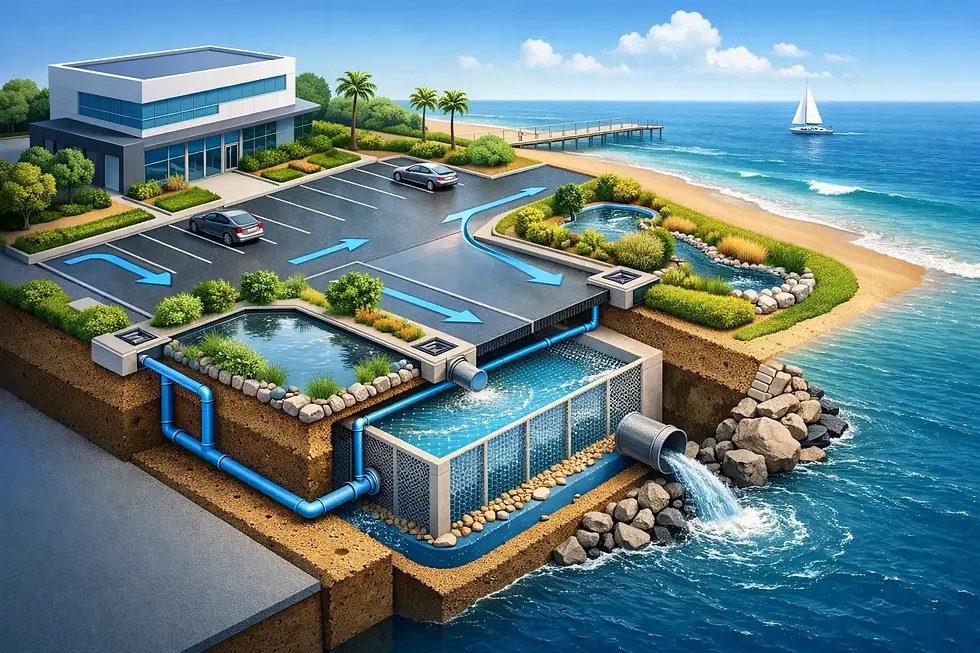
Permeable pavers and other water-managing systems are worth considering where drainage is a major concern or where a property owner wants to reduce runoff. These systems are designed to allow water to pass through or between surface materials into a prepared base below.
They can be effective, but they require thoughtful design and proper maintenance. If the system clogs or the sub-base is not built correctly, performance suffers. Permeable solutions are usually more specialized and often more expensive than standard asphalt or concrete, so they tend to be chosen for specific drainage goals rather than as a default option.
Recycled asphalt millings
Recycled asphalt millings can be an appealing choice for utility areas, secondary drive lanes, or budget-driven installations. They provide a more compacted surface than loose gravel and often cost less than new asphalt. For some large properties, they offer a practical middle ground.
The downside is finish quality. Millings usually do not deliver the same smooth, polished appearance as hot-mix asphalt, and results can vary based on material quality and installation method. They are useful in the right context, but for a primary front driveway where appearance matters, they are often more of a compromise.
Which driveway surface is usually the best value?
For many Delmarva properties, asphalt delivers the best overall value. It offers a professional look, solid durability, and a manageable price point. It also adapts well to both homes and commercial spaces, which is one reason it remains such a common choice across the region.
That does not mean asphalt is always the answer. If your main goal is upscale appearance, pavers may be the better fit. If you need the lowest upfront cost for a long private lane, gravel or tar and chip may be more realistic. If you are building around a specific architectural style and cost is less of a concern, concrete may be worth the investment.
The best decision usually comes from matching the surface to the property instead of chasing a one-size-fits-all answer.
How to choose the right option for your property
Start with how the driveway is used. A full-time residence with two cars, delivery traffic, and frequent guests needs a different solution than a vacation property used seasonally. A commercial lot has different load demands than a private home. The more traffic and turning movement a surface sees, the more important structural strength becomes.
Next, think about maintenance honestly. Some owners do well with periodic upkeep. Others want the lowest possible involvement after installation. There is no wrong preference, but it should shape the recommendation. A lower-cost surface that needs frequent attention may not actually save money if it becomes a recurring problem.
Appearance matters too. A driveway is part of the first impression people get from a property. Clean black asphalt gives a neat, well-kept look. Pavers create a more custom finish. Gravel feels more casual. The right visual choice depends on the building, the setting, and the standard you want the property to project.
Finally, do not overlook installation quality. Even the best driveway surface options can fail early if the base is weak, drainage is ignored, or the material is applied incorrectly. Good preparation is what turns a surface choice into a long-lasting result. That is where working with an experienced local contractor matters most.
O.C. Paving has worked with property owners across the region on everything from straightforward asphalt driveways to more customized exterior surface projects, and that local experience matters when site conditions are not all the same.
A good driveway should make life easier, look right for the property, and hold up without constant frustration. The best choice is the one that fits your site, your traffic, and your budget from the beginning.


Comments