

How to Inspect Asphalt Damage Before It Spreads
- nettiedrown
- 11 minutes ago
- 5 min read
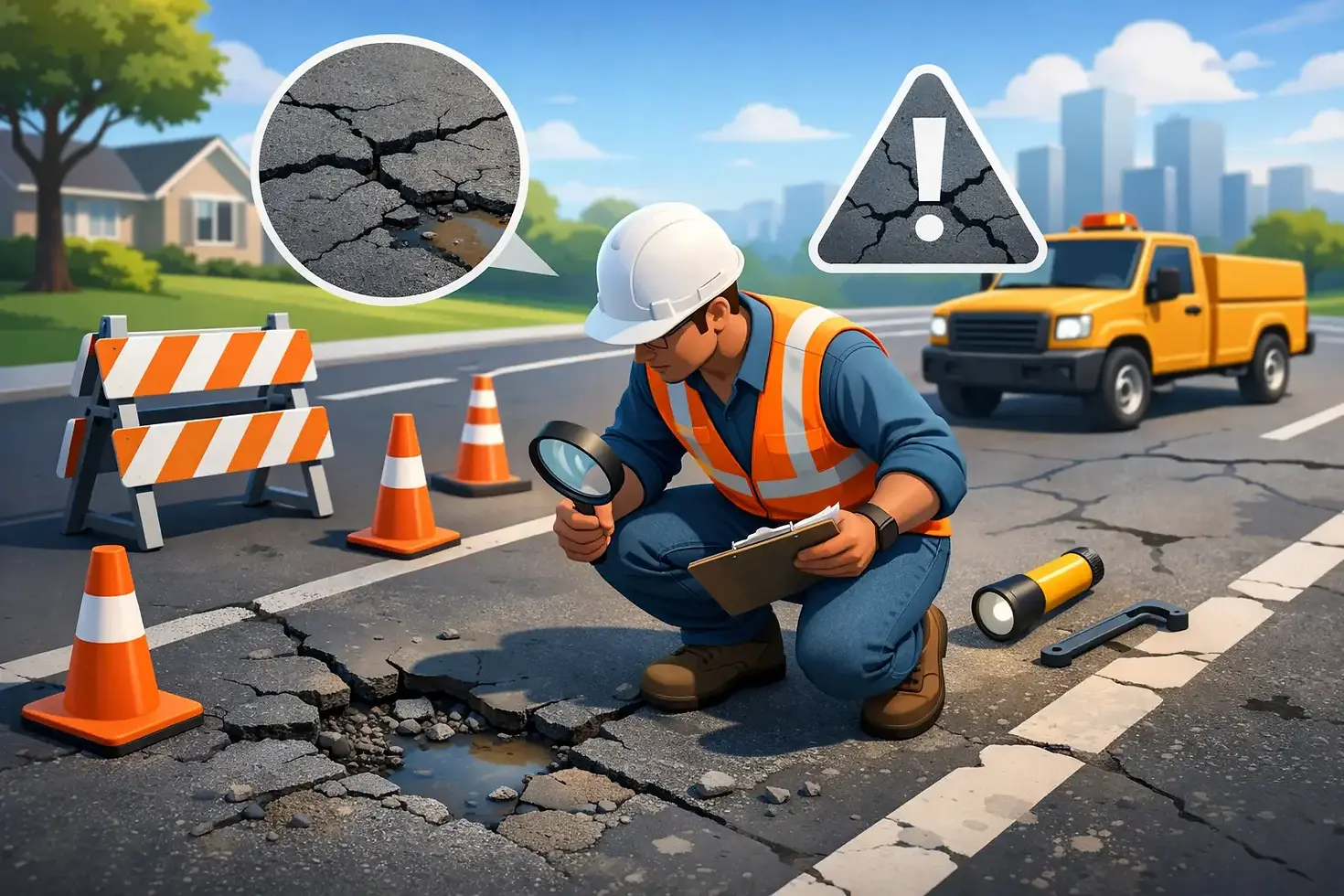
A driveway can look fine from the street and still be headed for a larger repair. Water finds small cracks, traffic works them wider, and a soft area beneath the surface can turn into a pothole after one hard season. Knowing how to inspect asphalt damage gives homeowners and property managers a clearer picture of what needs attention now and what can be planned for later.
For properties across the Delmarva coast, inspection matters even more. Rain, standing water, sand, salt exposure, heat, and winter temperature swings all put pressure on asphalt. A regular walk-through can help protect curb appeal, reduce trip hazards, and prevent a manageable repair from becoming a resurfacing or replacement project.
Start With a Safe, Simple Inspection
Choose a dry day with good daylight. Wet asphalt can hide fine cracks, low spots, and uneven texture. If you are checking a parking area, inspect it during a quiet period when you can safely walk the surface without vehicle traffic around you.
Bring a phone or camera, a tape measure, and something to mark areas that need attention. Take wide photos that show where the problem sits in relation to the driveway, parking stalls, curbs, drains, or building entrances. Then take close-up photos of individual cracks or depressions. This makes it easier to compare changes over time and explain concerns when requesting a professional estimate.
Walk the entire surface slowly, rather than looking only at the most obvious damage. Start at the street or entrance, follow the driving lanes and parking areas, and finish along the edges. Asphalt often begins failing at edges where there is less support or where water runs off the pavement.
How to Inspect Asphalt Damage by Type
Not every crack calls for the same repair. The shape, location, and condition of the damage can reveal whether the issue is mostly at the surface or may involve the base beneath it.
Look for cracks and measure their condition
Hairline cracks may appear minor, but they are still openings for water. Check whether cracks are narrow and isolated or spreading across several areas. A single straight crack can result from normal aging or movement. It may be suitable for crack filling if the surrounding asphalt remains firm.
More concerning patterns include connected cracks that resemble an alligator’s skin. This is commonly called alligator cracking or fatigue cracking. It often means the pavement has weakened below the surface from repeated vehicle weight, poor drainage, or a failing base. Sealing the visible cracks alone may improve appearance briefly, but it will not correct weak material underneath.
Pay attention to crack width and depth. Cracks wider than about one-quarter inch, cracks with missing edges, and cracks that have grown since the last inspection should be evaluated promptly. Also note whether weeds are growing through them. Vegetation is not the original cause of pavement failure, but its roots can hold moisture and push cracks further apart.
Check for potholes, soft spots, and loose asphalt
Potholes are a clear sign that water and traffic have broken through the asphalt surface. Examine the edges. Sharp, stable edges may indicate a localized repair is possible. Crumbling edges, loose aggregate, or several potholes in the same section can point to a larger base problem.
Feel for soft spots as you walk. Asphalt that flexes underfoot, feels spongy, or gives way under a vehicle tire needs attention even if it has not yet formed a pothole. For commercial properties, inspect areas where delivery vehicles turn, dumpsters sit, or cars brake and accelerate. These high-stress locations can fail faster than lightly used portions of the lot.
Watch for depressions and drainage problems
Standing water is one of the most useful clues during an asphalt inspection. Check the surface after a rainfall, then return once the rain has stopped. Puddles that remain long after nearby pavement has dried can indicate a low spot, poor slope, or settlement beneath the asphalt.
Water should move away from buildings, garage doors, walkways, and the pavement edges. Look for water stains, washed-out soil, or erosion along curbs and borders. A driveway may have no major cracks yet, but ongoing drainage issues can shorten its service life substantially.
In coastal communities, drainage deserves special attention because heavy rain events can arrive quickly. Sand and debris can also block inlets or change how water moves across a parking area. Clearing drainage paths is worthwhile, but it does not replace correcting a pavement slope or low area when one is present.
Inspect edges, transitions, and nearby structures
The outside edge of a driveway or parking lot is vulnerable because it may not have the same support as the center. Look for crumbling, cracking, or a drop-off where asphalt meets grass, gravel, or landscaping. Vehicles driving too close to an unsupported edge can cause pieces to break away.
Check transitions at garage aprons, sidewalks, curbs, drains, and concrete pads. Separation at these joints can let water enter below the surface. Uneven transitions can also create a trip hazard or interfere with snow removal, carts, wheelchairs, and vehicle access.
If asphalt sits beside brick pavers or decorative hardscape, inspect both materials together. Settlement in one surface can affect the other, especially where water is moving beneath the joint.
Separate Surface Wear From Structural Damage
Fading, light oxidation, and minor roughness are usually surface-level concerns. Asphalt naturally loses its deep black color as it ages and is exposed to sun and weather. If the pavement is still smooth, firm, and free of widespread cracking, sealcoating may help restore a clean appearance and provide added protection.
However, sealcoating is not a fix for potholes, alligator cracking, major depressions, or pavement that has lost structural strength. Applying a fresh dark coating over active damage can make a property look better for a short time while hiding problems that continue underneath.
Localized cracks and small potholes may be good candidates for repair when the rest of the pavement is stable. Resurfacing can make sense when the base is largely sound but the top layer is worn or cracked across a broader area. Full removal and replacement is often the better long-term choice when there are widespread soft spots, extensive alligator cracking, repeated drainage failures, or significant base movement.
The right answer depends on the condition of the entire surface, not just the worst-looking spot. A professional assessment should consider traffic volume, drainage, pavement age, previous repairs, and whether the property needs a short-term improvement or a longer-lasting solution.
Document What You Find and Monitor Changes
A useful inspection record does not need to be complicated. Keep dated photos and notes on crack locations, pothole size, standing water, and any areas that feel soft. For commercial properties, note whether damage is near traffic lanes, accessible parking, entrances, or loading areas where safety and operations are affected.
Inspect residential driveways at least twice a year, preferably in spring and fall, as well as after major storms. Parking lots and high-use commercial areas may need more frequent checks. Monitor repairs too. A properly repaired area should remain level and stable; if it settles or cracks around the edges quickly, there may be an underlying issue to address.
Avoid pressure-washing directly into open cracks or using harsh de-icing products that can affect nearby concrete and drainage areas. Keep heavy vehicles off residential driveways when possible, especially near edges. Small maintenance habits will not solve structural problems, but they can reduce unnecessary wear.
When It Is Time to Call a Paving Professional
Call for an evaluation when cracks are spreading, potholes return, water remains on the pavement, or the surface feels uneven underfoot or under tire traffic. It is also wise to seek help before a busy rental season, property sale, major event, or planned exterior improvement. Addressing pavement concerns before they become a safety issue gives you more repair options and more control over scheduling.
For homeowners and businesses in the Delmarva region, O.C. Paving can assess the condition of a driveway or parking area and recommend a practical path forward. A clear inspection today can help keep a surface safer, cleaner, and easier to maintain through the seasons ahead.


Comments